
What is Gong Fu Cha?
Formally:
It is the Chinese ceremonial presentation of tea, whereby the presenter has spent many hours learning, training, and practicing how to serve tea with skill and discipline using smaller teaware and accessories.
Informally:
It is using any of the below (and some of the above), either by yourself or with friends and family, to serve and enjoy tea (using loose leaf teas)
Setting
I will be focusing on the informal gong fu cha from now on whereby gong fu cha can take place wherever and whenever you happen to want to serve and enjoy tea using teaware such as a gaiwan (a lidded teacup and saucer usually porcelain or glass) or a small clay teapot.
The teaware usually includes a smaller teacup or teacups which are filled multiple times with multiple infusions from loose leaf tea leaves.
Gong fu cha can take place inside or outside, at a table or on the floor, at any time of day. Some people have a dedicated space to it in their homes where they can go and sit and enjoy tea, away from “every day” life for a while.
Table/Tray/Chabu
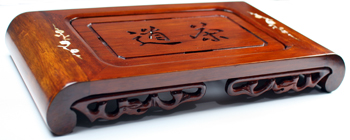 You don’t have to use a table or tray to practice gong fu cha, but it can be practical, especially from a safety point of view where the table or tray catches and contains any hot water that is not poured directly into a vessel, usually in the act of rinsing and warming the teaware.
Tables and trays come in many shapes and sizes and the price range varies enormously. They can be made from bamboo, stone, wood, or in some cases whole tree root systems turned upside down!
Usually, the table or tray will have slits or holes in which allows any water to collect in a place underneath to be contained or drain away via a connected hose.
A chabu is a decorative cloth or tea ceremony fabric which is laid out with the teaware placed on top. Its main purpose is to catch water drops but because it can have ornate designs or patterns on it, this can add to the gong fu cha experience.
Teaware
When preparing for gong fu cha, selecting what teaware to use can turn into somewhat of a considered process. The tea that is to be infused needs to be taken into consideration, and some people do have dedicated teaware for certain tea types. The main reason for this is that gaiwan/teapots made of clay can be porous, and over time and constant use, the teaware “soaks up” the tea and can then release back in future infusions.
There are no firm rules as to when to use glass or porcelain or clay teaware, but the temperature of the water used will also be a factor in which teaware to use. For example, green teas are usually infused in glass or porcelain, as clay holds and maintains heat and therefore may “stew” the tea leaves, releasing more tannins, and therefore bitterness.
Another consideration for which teaware to use, is the size and shape of the tea leaves and how they will fit into the gaiwan or teapot. Loose leaf teas come in many different forms due to the final way they have been processed. They can be rolled up into pellets or balls, or long and twisted, or flattened and up to 3 inches in length, such as Chinese Tai Ping Hou Kui green tea.
The number of guests, if any, needs to be considered also. You will need the correct number of teacups, and they will need to be of a size where one infusion of the gaiwan or teapot will fill the teacup of each guest.
The usual items used in gong fu cha are as follows:
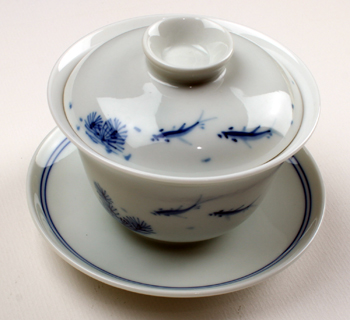
• Gaiwan – can be described as a lidded teacup with accompanying saucer. Usually made from glass, clay, and porcelain. The lid of the gaiwan aids when pouring the tea into the tea pitcher by holding back the tea leaves. A bit of skill is involved as you can easily burn your fingers if you don’t hold it right when pouring out the hot rinse water or the tea.
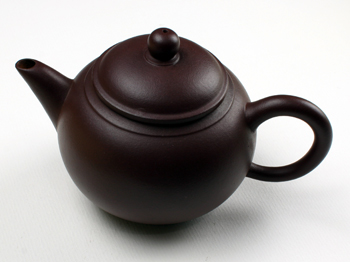
• Teapot – a vessel for infusing tea leaves in which usually has a handle, spout, and lid. Can be made of glass, clay, and porcelain. Comes in many different shapes and sizes. People often have one teapot for each tea type, meaning they can have many teapots!
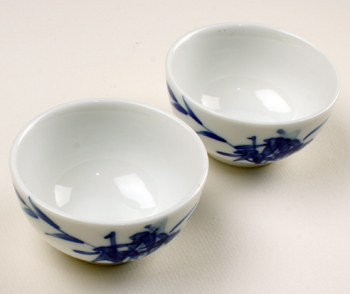
• Teacups – a vessel for drinking tea from, usually in the shape of a small bowl, and can have handles. Can be made from glass, clay, and porcelain. Comes in different sizes and can come in sets, anywhere from 2 cups to 6 or 8 cups. The teacup material type can have an effect on how quickly the tea cools when in the cup.
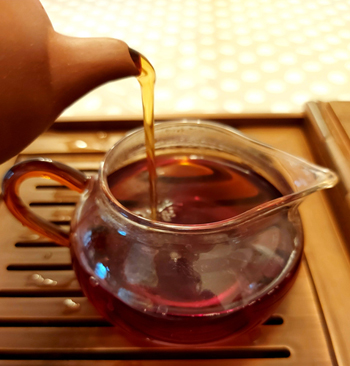
• Tea pitcher or Chahei (chahai) – a vessel that receives the pour from the teapot or gaiwan. It is then used to share the tea into the teacups. Can be made from glass, clay, and porcelain. Can also have handles. Can also be used to smell the aroma of the tea once shared between teacups.
• Sieve or strainer – sits on top of the tea pitcher and catches any dust or leaves that come from the teapot or gaiwan when poured.
• Wastewater bowl – used to initially rinse the teacups and tea pitcher in and/or to receive the rinse water used to warm the teacups and any discarded tea from the teapot or tea pitcher.
Tea utensils
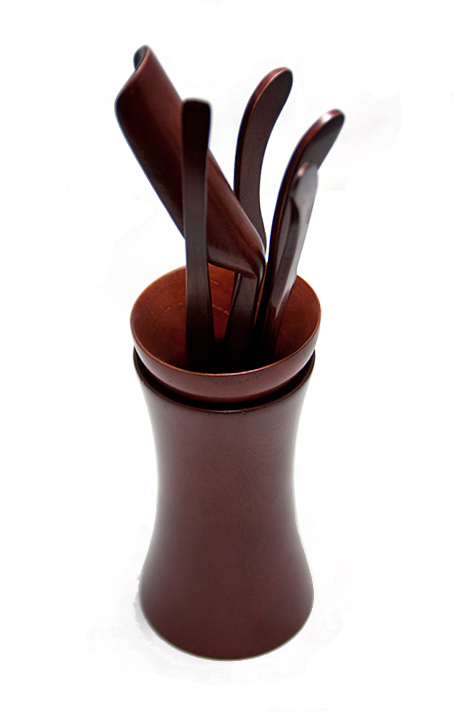
• Tea Scoop – used to take the tea leaves from the tea caddy or storage container and show the guests before placing the tea leaves into the teapot or gaiwan. The scoop is used so as not to contaminate the tea leaves with anything on fingers or hands.
• Tea Tongs – used to pick up the teacups in order to rinse them or empty them without touching as the teacups could be too hot to handle.
• Tea Funnel – helps when pouring the tea from the teapot or gaiwan into the tea pitcher (cha hei) without spilling.
• Tea Scraper – used to clear out any tea leaves that are remaining in the teapot after use or for moving the tea leaves from the tea presenter into the teapot or gaiwan.
• Tea Needle/Poker – used to clear out any tea leaves that are stuck in the teapot spout or filter.
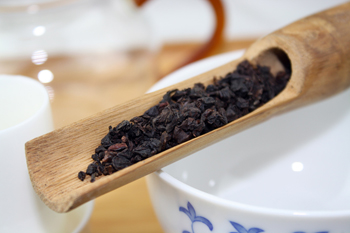
• Tea Presenter – used to hold the tea leaves in which is then presented to the guests before being poured into the teapot or gaiwan. Can be made from bamboo, wood, porcelain, clay and glass. Comes in varying shapes.
• Tea Brush – used to brush away any water that has settled on the teapot (usually clay) so that it does not dry and leave water marks. Can also help brush the tea into the clay of the teapot for the pores of the teapot to soak up the tea.
• Gaiwan or Teapot lid rest – used to rest the lid of the teapot or gaiwan on when rinsing or topping up with hot water (I personally don’t have one of these, but it would be useful if I did!).
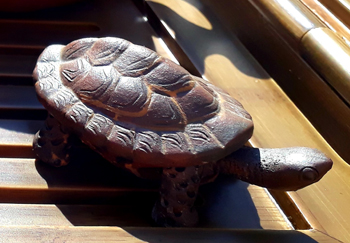
• Tea pets – is a tiny figurine made of clay or other material usually in the shape of an animal (or God) with the purpose of bringing the tea drinker good luck. The leftover tea or rinse water is poured over the tea pet.
• Tea cloth – used to wipe away excess water or tea on the teapot and utensils so that they are kept clean and don’t get water marks. Sometimes draped across the lap to stop hot water or tea from dripping on one when sat on the floor cross legged.
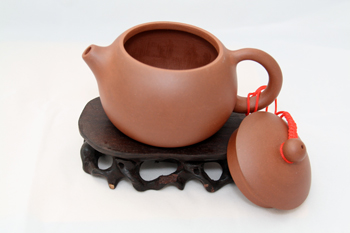
• Teapot stand – used to sit the teapot on when in use to elevate it and make it the “centre of attention”. Can be made of wood, clay, glass, and porcelain.
The way of Gong Fu Cha (using a Gaiwan)

The lid is removed from the gaiwan, and hot water poured into the gaiwan, being sure to “warm” the sides of the gaiwan by making sure the water is poured around the sides of the gaiwan. Perhaps this should be done in a clockwise motion.
When the gaiwan has enough hot water in it, the lid is then turned on its side in the water in the gaiwan. This can be done with the lid perpendicular to the gaiwan or in a figure of eight motion so that the whole of the lid has been warmed and cleaned. The lid is then set on the gaiwan with a slight gap so that the water from the gaiwan can be poured into the tea pitcher and sieve (if using one) or the teacups. Any excess water is poured away or if a tea pet is present, over that.
The gaiwan is then placed back on the tea tray and if using a tea pitcher, pour the hot water from the pitcher into the teacups. Using the tea tongs, the teacups are picked up one by one and washed in each other’s water, before being poured away or into the wastewater bowl. Any excess water can be wiped away on the tea cloth.
The tea is then presented to the guests before being put into the gaiwan using the tea scoop or scraper. Water is then poured onto the tea and the gaiwan lid used to push any stray tea leaves into the gaiwan and slight movements of the leaves in the water to make sure all tea leaves have been covered with water.
Depending on the type of tea being infused, the time taken before the gaiwan lid is angled and the tea poured into the tea pitcher or teacups will vary. Some people will then pour away this first infusion, calling it the rinse which cleans away any dust and “awakens” the tea leaves. This is done using the tea tongs to empty each teacup in turn, either into the wastewater bowl or over the tea pet.
The gaiwan in once again filled with hot water and the above step is repeated. This time, the teacups filled with tea, are carefully picked up and any excess water on the bottom is wiped on the tea cloth, before being presented to the guest ready for them to receive.
All movements should be flowing and made confidently, but carefully. I think your posture must be good and straight too (although I tend to forget!).
The way of Gong Fu Cha (using a Teapot)
Using a teapot as opposed to a gaiwan isn’t too different. Once you have the right teapot for the tea leaves you will be infusing, remove the lid of the teapot and place to the side (or on the tea lid rest if you have one). Carefully pour hot water into the teapot, usually in clockwise circling movements starting from the edges and moving in.
Once full, place the lid onto the teapot so that the air in the teapot lid is released slowly enough not to displace the water in the teapot. Some people will then pour hot water over the lid to “seal” it. This also helps to bring the lid back up to the same temperature as the teapot.

When you think the teapot has warmed enough, pour the water from the teapot into the tea pitcher (with or without a sieve) so that the whole of both have been wet and therefore cleaned. Wipe any excess water from your teapot onto the tea cloth, and place back on the teapot stand or tea tray.
When you think the tea pitcher has warmed through, pour the water from the tea pitcher into each of the teacups, usually making three or four rounds to fill them all at once, not separately. Using the tea tongs, the teacups are picked up one by one and washed in each other’s water, before being poured away or into the wastewater bowl. Any excess water can be wiped away on the tea cloth.
The tea is then presented to the guests before being put into the teapot using the tea scoop or scraper, using enough tea leaves for the size of the teapot selected. Water is then poured onto the tea in the teapot and the teapot lid used to push any stray tea leaves into the teapot and water levelled off to make sure all tea leaves have been covered with water. Again, some people pour water over the teapot lid to seal. At this point I make sure that the air hole in the teapot lid (if not in the centre of the lid), is towards the rear in line with the handle. This is a personal thing, but I think it helps when pouring.
When you think the tea leaves have infused enough, carefully pour the tea into the tea pitcher (if being used) or the teacups. If going straight into the teacups, pour filling them all at once with three or four rounds so that each cup gets tea from each layer of the teapot. Thereby, each teacup with have the same strength of tea, as opposed to having the first getting a weak tea to the last getting the strongest tea from the leaves being at the bottom of the teapot and having more time to infuse.
Again, some people will call this a rinse which will remove any dust and “awaken” the tea leaves and use it to warm the teacups and pour away into the wastewater bowl or over tea pets.
The teapot in once again filled with hot water and the above step is repeated. This time, the teacups filled with tea, are carefully picked up and any excess water on the bottom is wiped on the tea cloth, before being presented to the guest ready for them to receive.
During this time, it is up to you whether you leave the teapot lid on or off. I personally leave it on so that the tea leaves remain heated, but all the water must be removed between infusions.
The tea leaves in the teapot can be infused many times in one session. Infusion times can be progressively increased so that the flavour and aromas remain as constant as possible.