
Indian Black Tea Leaves
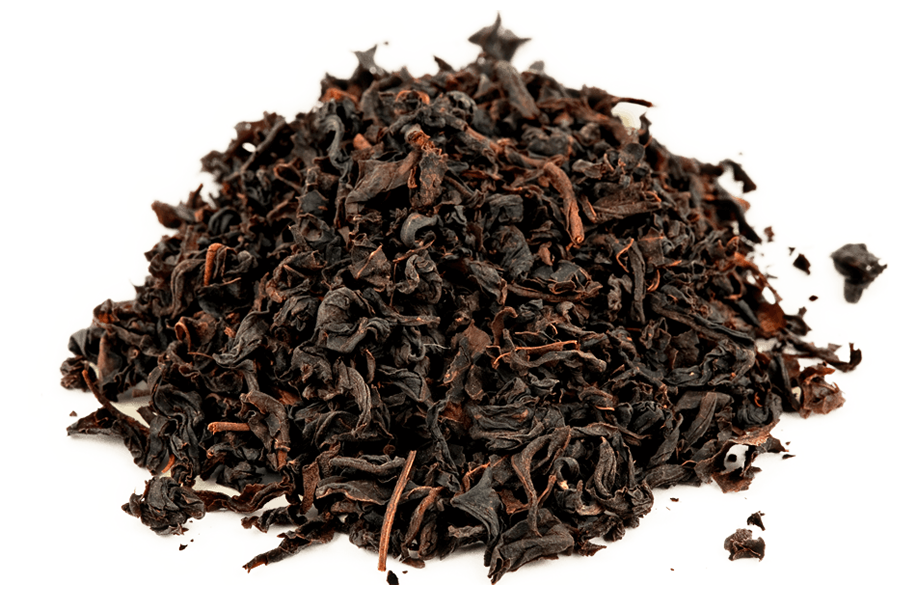
Indian black tea leaves come from three main tea growing areas in India. Darjeeling, Assam, and the Nilgiri Hills. Sikkim State also has one single tea garden called Temi.
The Darjeeling (Land of storms) area consists of circa 86 tea gardens formally recognised by the Darjeeling Planter’s Association. This gives the tea gardens the right to sell their tea leaves under the Darjeeling appellation.
The Assam State has the assamica varietal of tea plant species Camellia sinensis which has large leaves which give Assam tea its distinctive full bodied, malty flavour and aroma.
The Nilgiri Hills are the third largest tea growing area in India. The tropical climate allows harvesting to be year-round.
Indian black tea harvests are usually defined by seasonal “flushes”.
The first flush starts around mid-March to late March and ends around the second week of May. First flush teas have a shorter oxidisation period than Second Flush, producing different flavour profiles between flushes.
Second flush is a shorter period between the end of June to mid-July, with an Autumnal Flush occurring in October and November.
Typical flavour profile notes from Darjeeling black teas are light, floral, herbaceous, aromatic, muscatel, and fruity
Typical flavour profile notes from Assam black teas are strong, full-bodied, malt, and can take milk
Typical flavour profile notes from Nilgiri Hills black teas are hints of fruitiness, spice, well structured, fragrant and well-rounded.
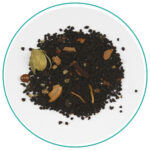
India has its own black tea blend called Chai, consisting of usually Assam tea leaves and spices such as black pepper, cardamom, cinnamon, ginger, and cloves which are blended with sweetened milk.





Price range: £3.50 through £8.00